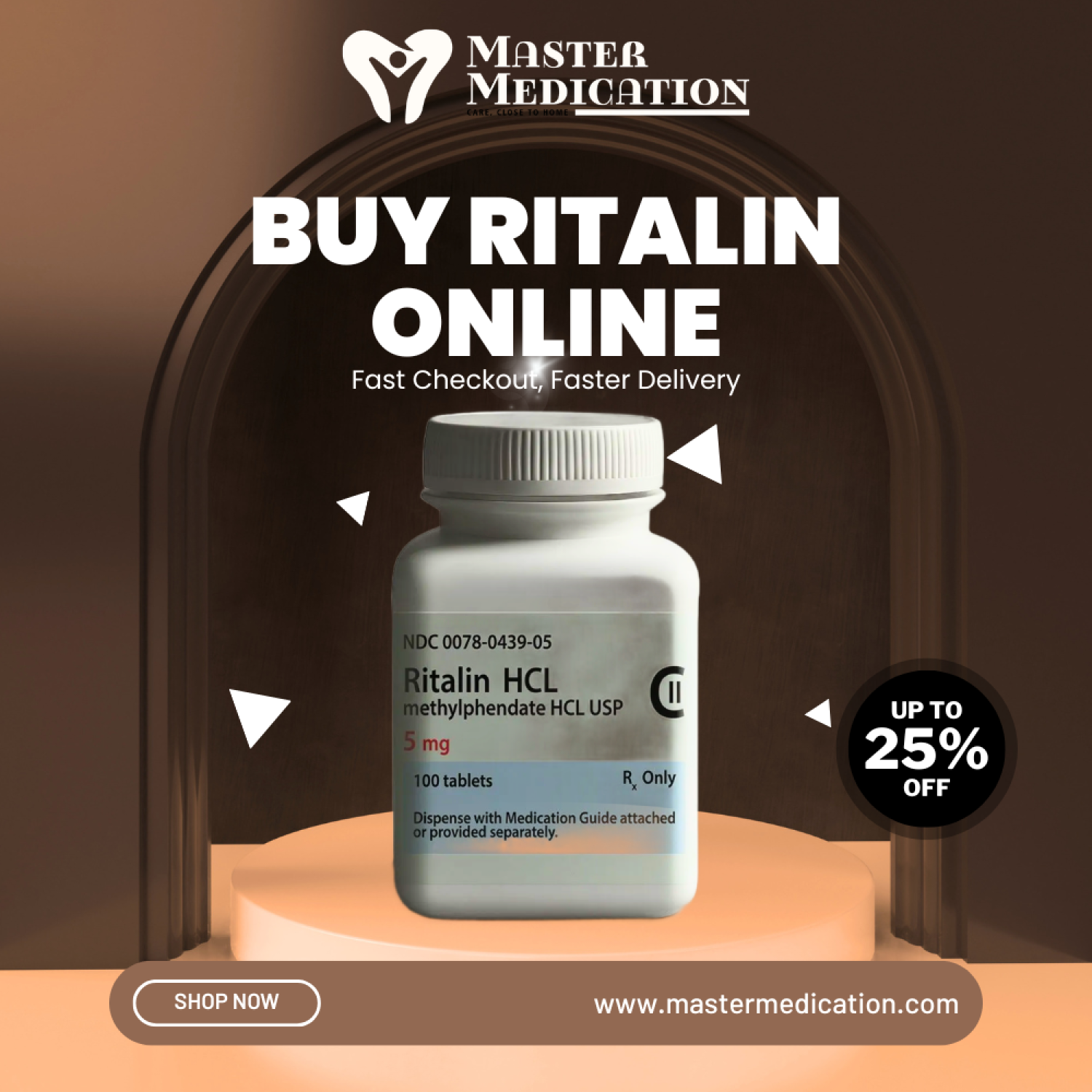
Easily Buy Ritalin Online Without Prescription Secure Route
Get UPTO 25% Discount on All Medicines. Use Coupon Code : SAVE25

Donate
Order Now
CLICK HERE OPEN PHARMACY
🎯 Buy Now & Get Up To 25% OFF – Use Code : SAVE25
Introduction
Ritalin is the brand name for methylphenidate, a prescription stimulant medication commonly used as part of a medically supervised treatment plan for attention-deficit/hyperactivity disorder (ADHD). It works by affecting certain brain chemicals involved in attention, focus, and impulse control. Because methylphenidate is a controlled medication with risks including misuse, dependence, side effects, and drug interactions, it should only be used under the supervision of a qualified healthcare professional. MasterMedication.com provides educational resources to help patients understand prescription medications, medication safety, and responsible healthcare practices.
What Is Ritalin (Methylphenidate)?
Ritalin belongs to a group of medicines called central nervous system stimulants. Healthcare professionals evaluate a patient's symptoms, medical history, current medications, and overall health before determining whether methylphenidate is an appropriate treatment option.
How Ritalin Works
Methylphenidate affects neurotransmitters such as dopamine and norepinephrine, which are involved in attention, motivation, and brain signalling. Patients should always take Ritalin exactly as prescribed and should not change the dose without medical guidance.
Approved Medical Uses
Healthcare professionals may prescribe Ritalin for selected patients with ADHD when clinically appropriate. Treatment may also include behavioural therapy, educational support, organisational strategies, lifestyle adjustments, and other non-medication approaches.
Benefits When Used Under Medical Supervision
When prescribed appropriately, Ritalin may help some patients improve concentration, reduce impulsive behaviours, and support daily functioning. Regular follow-up appointments allow healthcare providers to monitor progress, evaluate effectiveness, and manage possible side effects.
Important Safety Information
Common side effects may include decreased appetite, difficulty sleeping, headache, nervousness, dry mouth, stomach discomfort, and increased heart rate. Serious risks may include cardiovascular effects, mood changes, misuse, dependence, and interactions with certain medications.
Warnings and Precautions
Patients should inform their healthcare provider about heart conditions, high blood pressure, mental health concerns, thyroid problems, pregnancy, breastfeeding, or any history of substance use concerns before taking methylphenidate. The medication should be used only as directed and stored securely.
Drug Interactions
Ritalin may interact with certain antidepressants, monoamine oxidase inhibitors (MAOIs), blood pressure medications, and other substances that affect the nervous system. Healthcare professionals should review all medications and supplements before starting treatment.
Possible Side Effects
Some patients may experience insomnia, appetite changes, anxiety, dizziness, nausea, or increased heart rate. Serious symptoms such as chest pain, severe mood changes, fainting, or allergic reactions require immediate medical attention.
Supporting ADHD Management
Medication is often only one part of a comprehensive ADHD treatment plan. Healthcare professionals may recommend behavioural therapy, structured routines, exercise, healthy sleep habits, educational strategies, and other supportive methods depending on individual needs. MasterMedication.com encourages patients to discuss personalised ADHD management options with qualified healthcare professionals.
Frequently Asked Questions
What is Ritalin used for?
Ritalin may be prescribed for ADHD treatment when a healthcare professional determines it is medically appropriate.
Can Ritalin cause dependence?
Yes. Methylphenidate is a stimulant medication that carries risks of misuse and dependence. It should only be taken exactly as prescribed.
Can Ritalin interact with other medications?
Yes. It may interact with certain antidepressants, MAOIs, and other medications that affect the nervous system.
Why is medical supervision important?
Medical supervision helps ensure appropriate treatment, monitor effectiveness, manage side effects, and reduce medication-related risks.
Why Choose MasterMedication.com?
MasterMedication.com provides educational information about prescription medications, ADHD treatment approaches, medication safety, and responsible healthcare practices. The platform supports informed discussions between patients and qualified healthcare professionals.
Conclusion
Ritalin (methylphenidate) may help selected patients manage ADHD symptoms when prescribed and monitored appropriately. Understanding how the medication works, its approved uses, potential benefits, possible risks, and safety considerations helps patients make informed healthcare decisions. MasterMedication.com is committed to providing trustworthy educational resources that support safe and responsible medication use.
Campaign Gallery